Is Santa Real? The Magical Truth and History of Saint Nick 2026
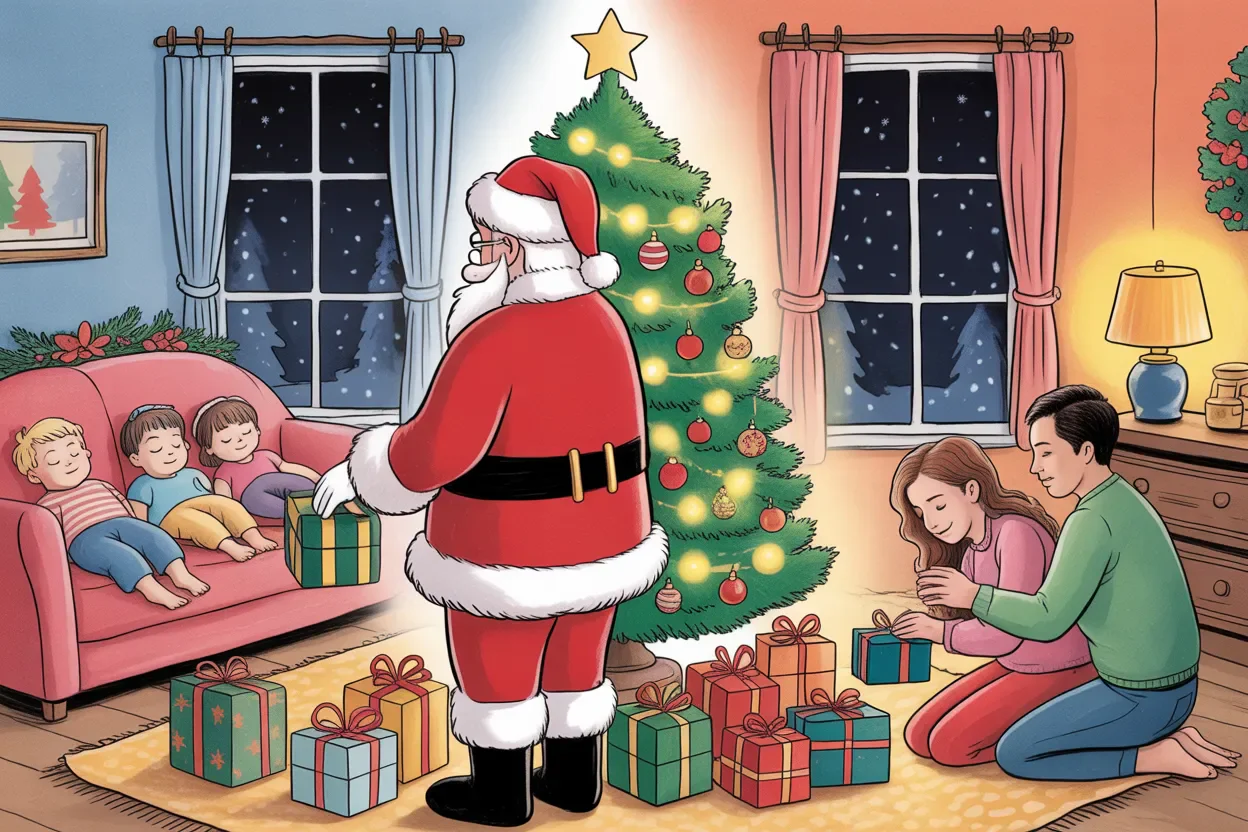
Is Santa Real? The Heartwarming Truth About Saint Nick
The question “is santa real” is one of the most magical and important things a child can ask. It often marks a big step in growing up and shows a wonderful sense of curiosity. If you are looking for the right way to explain the magic of Christmas, you have come to the right place. This guide will help you understand the history and the spirit that keeps this tradition alive. We will explore the facts and the feelings that make Santa Claus a hero to millions of people around the world.
When we ask “is santa real,” we are usually looking for more than just a “yes” or “no.” We want to know about the man in the red suit who travels the world in a single night. This story is filled with hope, kindness, and the joy of surprise. Understanding the roots of this legend helps us see why it still matters today. It is a story that has traveled across oceans and through many centuries to reach our homes. Let’s dive into the amazing journey of the man we call Santa.
The Real Man Behind the Legend: Saint Nicholas
The story of Santa Claus actually begins with a very real person named Saint Nicholas. He lived a long time ago, around the year 280 A.D., in a place called Patara. This area is now part of the modern-day country of Turkey. Nicholas was a very kind monk who spent his whole life helping people who were poor or sick. He was famous for his big heart and his desire to give to others without wanting any credit for his good deeds.
Many legends tell us about his secret gift-giving. One of the most famous stories is about how he helped three sisters who were very poor. He dropped bags of gold through their window at night so they could have a better future. Because of these wonderful acts, he became known as the patron saint of children. His life reminds us that being kind to others is a powerful way to live. This real-world kindness is the foundation of the Santa we love today.
How Sinterklaas Became Santa Claus
Over hundreds of years, the stories of Saint Nicholas spread all across Europe. Each country had its own name for him and its own way of celebrating his kindness. In the Netherlands, he was called Sinterklaas. Dutch families would celebrate his feast day by giving gifts to one another. When Dutch settlers moved to America in the 1600s, they brought these beautiful traditions with them. They shared their stories of Sinterklaas with their new neighbors in New York and beyond.
As the years went by, the name Sinterklaas slowly changed in the English language. It eventually became the name we use today: Santa Claus. The American version of the character started to take shape in the early 1800s. Writers and artists began to add new details to his story, like his jolly laugh and his sleigh. This blend of different cultures created the magical figure that children wait for every Christmas Eve. It shows how traditions can grow and change while keeping the same heart.
Santa Claus History
Key Facts and Figures of Santa’s World
Comparative Analysis
| Feature | Santaworld (Tomteland) | Santa Claus Village |
|---|---|---|
| Location | Mora (Gesunda Mountain), Sweden | Rovaniemi (Arctic Circle), Finland |
| Opening Date | December 8, 1984 | 1950 (Official status in 2010) |
| Annual Visitors | Approx. 50,000 | Over 700,000 |
| Core Concept | Immersive fairytale world with actors | Year-round Christmas hub & Arctic gateway |
| Key Characters | Santa, Trolls, Fairies, Witches, Elves | Santa Claus, Mrs. Claus, Reindeer, Elves |
| Letters to Santa | ~400,000 per year | ~500,000 per year |
| Major Attractions | Troll King’s Kingdom, Witch’s House | Arctic Circle Line, Santa’s Main Post Office |
| Top Activities | Theatrical shows, Troll safaris | Reindeer/Husky sledding, Aurora viewing |
| Operating Days | Seasonal (Winter/Summer/Easter/Autumn) | 365 Days a Year |
| Entry Fee | Paid (Approx. 395 SEK / ~€35) | Free (Activities & Photos are paid) |
Deep Dive: Santaworld (Tomteland), Sweden
- Size & Scale: The park consists of large timber buildings including Santa’s House and a large workshop.
- Unique Stat: It gained global fame as the filming location for Shakin’ Stevens’ “Merry Christmas Everyone” music video (1985).
- Seasons: It transforms specifically for the “Witch Ghost Holiday” (October/November) and “Magical Winter.”
Deep Dive: Santa Claus Village, Finland
- Geographic Milestone: The 66°33′45.9″ N latitude line (Arctic Circle) runs directly through the village square.
- Infrastructure: Includes over 30 surrounding villages, the underground “SantaPark” (50 meters deep), and 41 direct flight connections to Rovaniemi.
- Accommodation: Famous for its “Glass Resorts” and igloos designed for viewing the Northern Lights from bed.
The Poetry That Gave Santa His Reindeer
In 1823, a very famous poem was published that changed the way we see Santa forever. It was called “A Visit from St. Nicholas,” though most of us know it as “‘Twas the Night Before Christmas.” This poem gave us the image of a “jolly old elf” with a belly like a bowl full of jelly. It was the first time many people heard about Santa flying through the sky in a sleigh. It also gave names to his eight famous reindeer, like Dasher and Dancer.
Before this poem, Santa was often pictured as a thin man or even a strict figure. The poem made him feel warm, friendly, and magical. It described him coming down the chimney with a bag full of toys. This version of Santa captured the imagination of families everywhere. It turned a religious figure into a folk hero that everyone could celebrate. Even today, we read this poem to our children to get ready for the big night.
Why Does Santa Wear a Red Suit?
Many people wonder why Santa always wears a bright red suit with white fur. While some think a famous soda company invented it, the truth is more interesting. Artists had been drawing Santa in red for a long time before the famous 1930s advertisements. However, those ads did help make the red suit the “official” look for Santa. Before that, he was sometimes seen in green, blue, or even brown robes. The red suit just seemed to fit his cheerful and bold personality perfectly.
The red suit makes Santa easy to spot in the white snow of the North Pole. It has become a symbol of holiday cheer and warmth during the cold winter months. When we see that red coat, we immediately think of the joy of Christmas. It is amazing how a single outfit can represent so much happiness to so many people. Whether he is in a parade or on a holiday card, that red suit is his signature look. It reminds us of the bright light he brings to the world.
Life at the North Pole and the Busy Elves
The legend tells us that Santa lives at the North Pole, a place covered in ice and snow. This location is perfect because it is far away and magical, making it a great spot for a secret workshop. At the North Pole, Santa isn’t alone; he has a whole team of hard-working elves. These elves spend all year making the toys that children ask for in their letters. They are experts at building everything from wooden blocks to the latest video games.
The North Pole is also where the reindeer rest and train for their big flight. It is a place of constant activity and happiness. Mrs. Claus is there too, keeping everyone fed with warm cookies and hot cocoa. This magical setting adds to the mystery of the question “is santa real.” While we might not see the workshop on a map, the idea of a place dedicated to making children happy is a beautiful thought. It represents the hard work that goes into being generous.
Explaining the Magic to Older Children
As children get older, they start to think more deeply about how Santa can visit the whole world in one night. This is often when the question “is santa real” comes up in a more serious way. A great way to answer is to explain that Santa is a spirit that lives in our hearts. He represents the part of us that wants to give without being asked. When parents put gifts under the tree, they are acting as “Santa’s helpers” to keep the magic alive.
You can tell your child that they are now old enough to join the “Santa Team.” This means they can help pick out gifts for others or do kind things in secret. It shifts the focus from receiving to giving. This transition helps children understand that the magic isn’t just a story; it’s a way of acting toward others. It keeps the wonder of the holiday alive even as they grow up. The “real” part of Santa is the love we share with our family and friends.
The Global Reach of Father Christmas
Santa Claus has many different names and traditions around the world. In the United Kingdom, he is often called Father Christmas and wears a longer cloak. In France, children leave their shoes by the fireplace for Père Noël to fill with treats. In Italy, a kind witch named La Befana delivers gifts to children in early January. Even though the names and outfits change, the message of kindness and reward for being good stays the same in every culture.
This global connection shows that the spirit of Santa is universal. It doesn’t matter where you live or what language you speak; the joy of the holiday is for everyone. It brings people together during the darkest part of the year. Seeing how different countries celebrate the same idea makes the world feel like a smaller, friendlier place. Santa is a bridge that connects us all through the simple act of a gift. It proves that kindness is a language everyone understands.
Tracking Santa on Christmas Eve
In the modern world, technology has joined in on the fun of the Santa legend. Every year, organizations like NORAD use their satellites to “track” Santa as he flies around the globe. Families can log online to see exactly where he is and which country he is visiting. This has become a fun new tradition for many households. It adds a layer of excitement to Christmas Eve as children watch the map and head to bed before he arrives.
Using science and technology to follow a magical sleigh is a great way to blend the old with the new. It keeps the story fresh for a new generation of kids. Even though it is all in the spirit of fun, it shows how much we value the story. We want to believe in the journey and the effort Santa makes for every child. It makes the night feel active and full of life. It’s another way we keep the question “is santa real” answered with a big, digital “Yes!”
The Importance of Being on the “Nice List”
The idea of the “Naughty and Nice List” is a big part of the Santa story. It encourages children to be kind, helpful, and honest throughout the year. While we know that nobody is perfect, the list reminds us to try our best. Santa looks for the good in every child and wants to reward their efforts. It’s not just about getting toys; it’s about learning how to be a good person in the world.
Parents often use the “nice list” as a way to talk about values like sharing and being polite. It makes the holiday about more than just a shopping list. When children think about Santa watching, they feel a connection to a higher standard of behavior. Of course, the real reward is the feeling of being kind to others. The “nice list” is a simple way to teach a very big lesson about character. It adds a sense of accountability to the magic of the season.
Keeping the Spirit of Giving Alive All Year
While we talk about Santa most in December, his spirit can live in us all year long. The lesson of Saint Nicholas was about helping others whenever there was a need. We can be like Santa by donating old toys, helping a neighbor, or just being a good friend. When we do these things, we are keeping the real Santa alive. The magic doesn’t have to end when the decorations come down in January.
Imagine a world where everyone acted with the generosity of Santa every day. We would have a very kind and supportive community. By teaching children about the heart of Santa, we are teaching them to be leaders of kindness. This is the most “real” part of the whole story. The physical gifts are fun, but the lasting gift is a heart that loves to give. That is a power that can change the world for the better.
Conclusion: Yes, Santa is Real in Every Way That Matters
So, when a child asks, “is santa real,” the answer is a resounding yes. He is real as a historical figure who did great things. He is real as a symbol of the magic and wonder of childhood. Most importantly, he is real in the love and kindness that parents and children show to each other. As long as there is someone who wants to make a child smile, Santa Claus will never truly go away. He is the best part of us, wrapped in a red suit and a white beard.
The magic of Santa is a gift that we pass from one generation to the next. It’s a story that teaches us to believe in things we cannot always see, like love and hope. This year, as you hang your stockings and leave out cookies, remember the long journey of Saint Nick. Smile knowing that you are part of a beautiful tradition that spans the whole world. Keep the magic in your heart, and you will always know the truth. Merry Christmas to all, and to all a good night!
1. How does Santa fit down the chimney if he is so jolly?
Santa uses a special kind of magic that allows him to fit through any space, no matter how small. Some say he can turn into a bit of stardust to glide down, while others believe he can just “shrink” for a moment. It’s all part of the mystery that makes him so special!
2. How do the reindeer fly?
The reindeer eat a special kind of magic corn that gives them the power to fly through the air. They also have a lot of practice! Their magic is fueled by the Christmas spirit of children all around the world. The more you believe, the higher they can fly.
3. Is the North Pole a real place where people can go?
Yes, the North Pole is a real location at the very top of the Earth! While it is very cold and mostly made of ice, explorers have visited it. As for Santa’s workshop, it is hidden by a magical frost that only those with a true heart of gold can see.
4. What happens if I don’t have a chimney at my house?
Don’t worry at all! Santa has a “Magic Key” that works on any door in the world. He knows exactly how to get inside to leave your gifts. He is very clever and always finds a way to make sure no child is missed on his big night.
5. How old is Santa Claus?
Since the original Saint Nicholas was born in the 3rd century, Santa is over 1,700 years old! Because of the magic of the North Pole, he stays healthy and strong so he can keep delivering toys forever. He never seems to get tired of making people happy.