What Do Ladybugs Eat? Diet, Bites, Luck, Meaning, and Control Guide
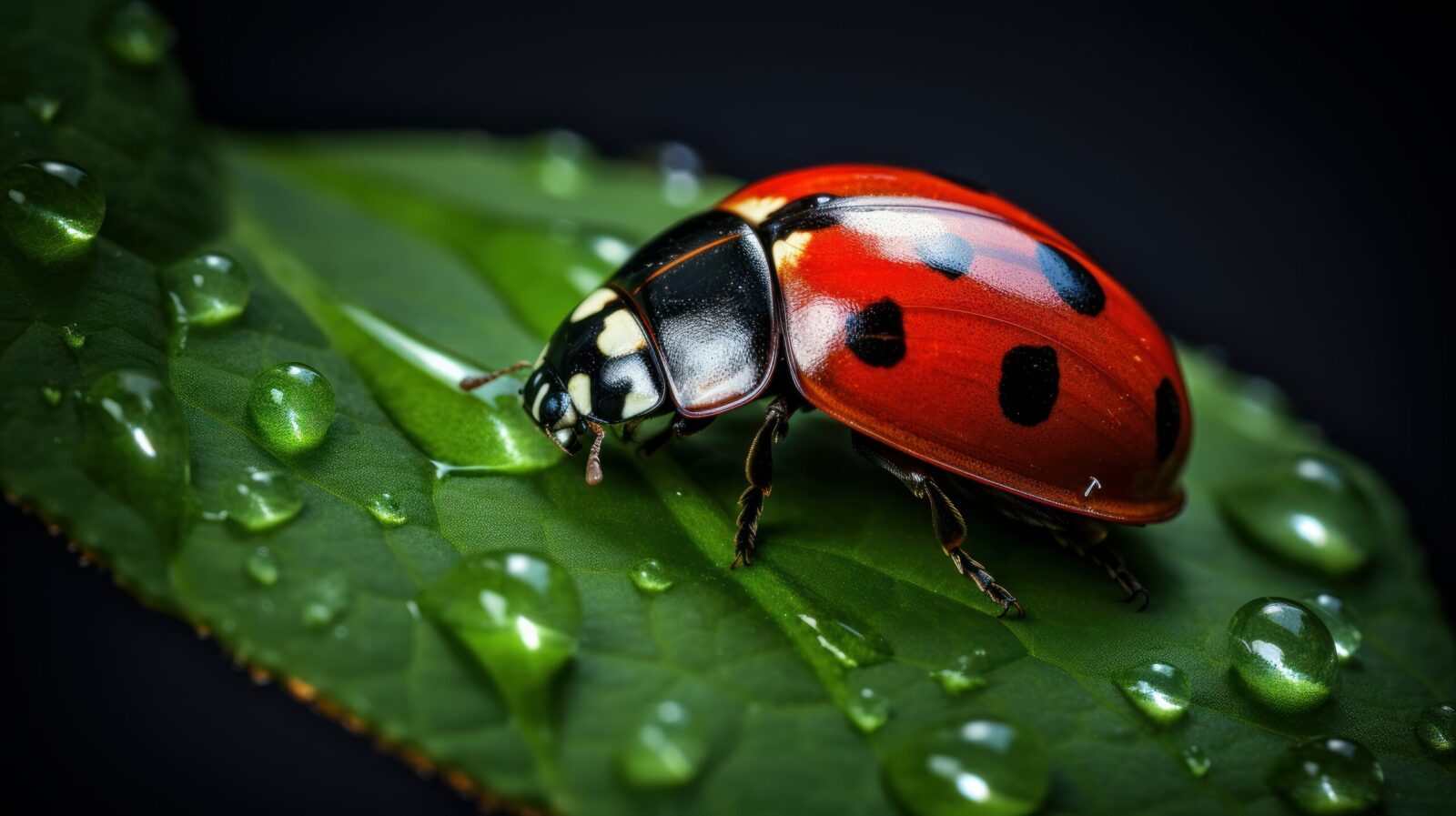
The Secret Diet Of Garden Friends
These spotted insects are not just pretty faces in the yard. They have a very big job to do outside every day. People often ask me about their daily meals and habits. The truth is they are very hungry little hunters. They spend all day searching for their next tasty snack. A single adult can eat a lot of bugs every week. This makes them very valuable for farmers and regular homeowners. They never stop looking for food during the warm months. Their appetite is truly massive for such tiny creatures. Understanding what do ladybugs eat changes how you see gardens.
What Do Ladybugs Eat
Ladybugs (also known as ladybirds) are primarily predators, though their specific diet can vary depending on their species. Most are famous for being a gardener’s best friend because they consume soft-bodied insects that damage plants.
Below is a complete food sheet table detailing what ladybugs eat at different life stages and across different species.
Ladybug Food Sheet
| Food Category | Specific Items | Why They Eat It |
|---|---|---|
| Primary Prey | Aphids, Scale insects, Mealybugs | The main energy source; a single ladybug can eat 5,000 aphids in its lifetime. |
| Secondary Prey | Mites, Whiteflies, Leafhoppers, Thrips | High-protein alternatives when aphids are scarce. |
| Insect Eggs | Moth eggs, Beetle eggs, Butterfly eggs | Easy-to-catch protein for both larvae and adults. |
| Plant-Based | Pollen, Nectar, Sap | Provides sugar and moisture, especially during migration or when prey is low. |
| Alternative Sugars | Honeydew (secreted by aphids), Mildew | A supplemental energy source during dry spells. |
| Larval Diet | Smaller aphids, Mites, Soft insect larvae | Essential for growth before they pupate into adults. |
| Vegetarian Species | Leaves, Stems, Fungi (Mildew) | Specific to species like the Mexican Bean Beetle (though most are predators). |
Key Dietary Facts
- Hydration: Ladybugs get most of their water from the fluids of their prey, but they will also drink dew or raindrops from leaves.
- The “Generalist” Approach: While they prefer aphids, ladybugs are opportunistic. If food is extremely scarce, they have been known to turn to cannibalism, eating their own eggs or larvae to survive.
- Garden Attraction: To attract these natural pest-controllers to a garden, planting Coriander, Dill, or Fennel is highly effective, as the flat flowers provide easy access to the pollen and nectar they use as supplemental food.
Seasonal Changes
During Diapause (their version of hibernation), ladybugs do not eat. They live off the fat reserves stored in their bodies from a summer spent feasting on aphids. As they emerge in the spring, they immediately seek out pollen and nectar to regain energy before the first aphid colonies hatch.
Understanding What Do Ladybugs Eat Daily
When you look closely at a leaf, you might miss it. These bugs are constantly on the move for sure. They do not sit still for very long at all. Their daily routine revolves around hunting and eating small prey. If you want to know what do ladybugs eat, look closer. They crawl up stems to find their favorite little treats. They use their strong little jaws to chew up pests. It is a nonstop cycle of feeding for these helpers. They work from sunrise to sunset without any real breaks. You will be amazed by how fast they can eat.
Tiny Aphids Are Their Favorite Meal
Soft-bodied aphids are the absolute best meal for them to find. These tiny green bugs suck the life out of your plants. Aphids multiply very quickly and cause a lot of damage. Ladybugs act like tiny vacuum cleaners for these nasty pests. I once saw one ladybug eat over fifty aphids in one day. It was an incredible sight to watch in my own garden. When asking what do ladybugs eat, aphids are the top answer. They will devour these plant suckers until they are completely gone. This makes them a natural pest control hero for everyone.
Do They Consume Other Garden Pests?
Aphids are great, but they enjoy eating other bugs too. Small scale insects are another wonderful snack for them to chew. These pests look like tiny bumps on tree branches. Mealybugs are also on the menu for these spotted hunters. They will happily chew up mealybugs on your house plants. Some types even eat tiny spider mites on your roses. These mites are very bad for your beautiful rose bushes. If you have a pest problem, they might be the cure. Learning what do ladybugs eat shows how nature balances itself. They keep the bug numbers very low all year round.
What Do Ladybugs Eat When Bugs Are Gone
Sometimes the garden runs out of small pests to eat up. This can happen during certain times of the growing season. The bugs must find other ways to survive and stay strong. So what do ladybugs eat when the bad bugs disappear completely? They actually shift their daily diet to eating plant matter. They will start eating sweet flower nectar instead of bugs. They also enjoy the rich pollen found on many blooming flowers. This sugary diet gives them the energy they need badly. It is a very smart backup plan for these clever beetles.
The Surprising Truth About Pollen And Nectar
Many folks do not realize these beetles eat sweet plant fluids. Nectar is packed with natural sugar and healthy daily nutrients. Pollen gives them extra protein to stay strong and healthy. I always plant marigolds and dill to feed them very well. These flowers act like perfect feeding stations for them to visit. When figuring out what do ladybugs eat, remember these sweet treats. A garden full of blooming flowers will attract them very fast. They will come for the nectar and stay for the bugs. It is a perfect natural balance for your entire yard space.
How Baby Ladybugs Find Their Food
Baby ladybugs do not look like their parents at all really. They hatch from tiny eggs and look like small alligators. These little babies are called larvae in the insect science world. They are actually even hungrier than the fully grown adult bugs. A single baby will eat hundreds of aphids before it grows. They crawl around the plant leaves searching for their next meal. If you wonder what do ladybugs eat at this stage, wait. They need massive amounts of protein to grow their spotted wings. They are fierce hunters from the very first day of life.
What Do Ladybugs Eat During Winter Months
Winter brings cold weather and a lack of insect food. Bugs must find a safe place to hide and sleep. They do not eat much during the cold winter months. Instead, they enter a resting state called diapause for survival. They find warm spots under dry leaves or tree bark. So what do ladybugs eat when asleep in winter? The simple answer is nothing at all during this time. They live off the fat reserves they built up in autumn. They might wake up briefly for a quick drink of water. Then they go right back to sleep until warm spring arrives.
Why Water Matters For These Insects
All living things need fresh water to stay alive. These helpful garden bugs are no different at all in this. They get water from the bugs they chew up. Sometimes that is simply not enough for them to thrive well. They need tiny drops of water on the wet plant leaves. I like to put out shallow dishes of water for them. Adding small pebbles keeps them from drowning in the shallow dish. When studying what do ladybugs eat, remember their daily water needs. A dry garden will not keep them around for very long. They will simply fly away to find a better water source.
How To Attract Them With The Right Food
You can invite these friendly bugs to your yard easily. The secret is giving them what they want to eat. Planting the right flowers is the very best first step. Dill, fennel, and yarrow are perfect choices for them. You should avoid using harsh chemical bug sprays on plants. Sprays kill the good bugs along with the bad ones completely. To know what do ladybugs eat to attract them, look here. Focus on growing plants that naturally attract small garden pests first. Let a few aphids live on a sacrificial plant for them. The ladybugs will find them and decide to stay there forever.
Fun Facts About Their Eating Habits
These insects have some truly wild and interesting eating habits to share. They do not have teeth like we do in their mouths. Instead, they chew with their sideways moving jaws very effectively. A grown ladybug can eat up to five thousand bugs in life. That is a massive amount of food for one tiny garden beetle. They do not chew their food into tiny pieces at all. They actually mash up their prey and drink the sweet bug juices. When people ask what do ladybugs eat, I share this fun fact. They are basically tiny juice smoothie makers in the green garden.
10 Quick Foods Ladybugs Love To Eat
Here is a very helpful list of their favorite things to eat outside today. Providing these healthy food options will keep them very happy all year long. They truly love a wide variety of very tasty garden treats every single day. You can easily use this exact list to plan your garden layout well. Watching them eat these items is always very fun for me personally. They are never picky eaters at all when small pests are around outside. Here are the top ten foods they enjoy eating most every single day.
- Tiny green aphids
- Soft scale insects
- Fuzzy white mealybugs
- Small spider mites
- Sweet flower nectar
- Golden plant pollen
- Whitefly larvae
- Thrips and their tiny eggs
- Small insect eggs
- Honeydew from other bugs
- Mildew on wet plant leaves
Learning about these insects is a wonderful experience for anyone to try. They do so much heavy lifting in our beautiful green gardens. Now you know exactly what do ladybugs eat and why it matters. You can use this knowledge to grow much better plants outside.
Stop using harmful chemicals and let nature do the hard work. Plant some dill and watch these spotted friends arrive very quickly. They will reward you by eating all the bad bugs away forever. Share this helpful guide with your friends who love gardening too. Together we can help these amazing bugs thrive everywhere.
FAQs
Question: What do ladybugs eat when trapped inside my house?
Answer: Finding these bugs inside your home is very common in the fall. They are looking for a warm place to sleep for winter. When they wake up indoors, they need some food to survive. So what do ladybugs eat when trapped inside a house? They will search for tiny household pests if they can find them. They might eat small spiders or tiny dust mites in corners. Mostly they just want sweet nectar or a drop of water. You can offer them a tiny piece of sweet fresh fruit. This gives them energy until you can move them outside again.
Question: What do ladybugs eat to stay strong and alive?
Answer: To stay strong and healthy, they need a good mix of foods. Protein from small bugs is the main thing they require daily. They use this protein to grow big and lay tiny eggs. They also need sugar from nectar and sweet flower garden pollen. This sugar acts like fuel for their busy little active bodies. If you ask what do ladybugs eat to survive, know this. It is a perfect balance of eating meat and sweet things. Without this mix, they would become very weak and fly away. Keep your garden full of both bugs and blooms for them.
Question: What do ladybugs eat that might hurt my plants?
Answer: Almost all of these beetles are good for your garden beds. However, a small number of them are bad plant pests. The Mexican bean beetle is one very clear bad example of this. This specific type eats the green leaves of bean garden plants. So when exploring what do ladybugs eat, remember most are safe. Only a handful of bad species will ever damage your food crops. You can easily spot the bad ones by their solid yellow color. The good ones have lovely black spots on their shiny red shells. Always welcome the spotted ones to your yard for best results.
Question: What do ladybugs eat when aphids are completely gone?
Answer: Aphids are their top choice, but they have other options too. They will gladly eat any soft insect they can catch easily. This includes small green caterpillars and tiny beetle larvae on leaves. They also love eating the sticky honeydew left by other small bugs. What do ladybugs eat when aphids are gone completely from the yard? They turn to eating pollen and sweet floral nectar from flowers. Some types even eat certain types of mildew on wet plant leaves. This helps keep your plants clean and healthy all season. Their diet is very flexible when they need it to be.
Question: What do ladybugs eat during the baby larva stage?
Answer: Baby ladybugs are known as larvae in the insect world. They look like tiny dark alligators with rough bumps on their backs. These little babies are actually even hungrier than the full grown adults. If you wonder what do ladybugs eat at this stage, look. They actively hunt and eat small aphids on your favorite garden plants. They must eat constantly to grow their tiny bodies very fast. A baby will eat hundreds of pests before becoming an adult. They are the best pest controllers you can ever have outside. Let them do their important job in total peace and quiet.
For More Updates: https://www.christmas-movies.co.uk/