Kaori Sakamoto: Japanese Figure Skating Champion and Rising Star
Introduction
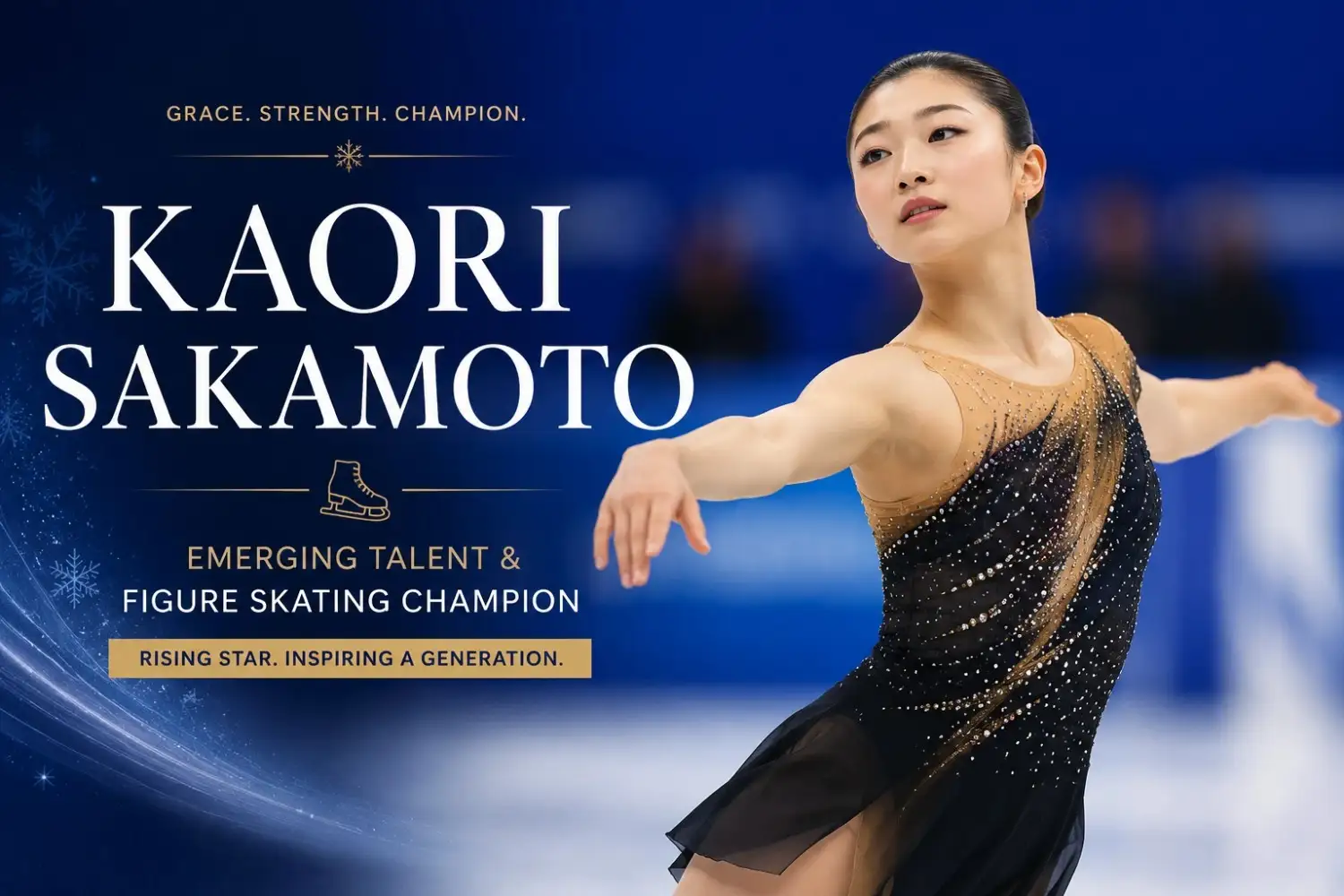
Picture a young girl gliding across ice with determination burning in her eyes, transforming every fall into fuel for greatness. Kaori Sakamoto embodies this spirit, rising from a determined junior skater to become one of Japan’s most celebrated figure skating champions. The pain of early defeats, the problem of fierce international competition, and the pressure of carrying national expectations could have crushed her dreams. Instead, she solved these challenges through relentless training, technical mastery, and an unbreakable mindset that earned her Olympic medals and World Championship titles.
Who Is Kaori Sakamoto?
Kaori Sakamoto stands as one of figure skating’s most accomplished athletes in recent years. Born on April 9, 2000, in Kobe, Japan, she represents the perfect blend of artistic expression and athletic power. Her skating career showcases consistency rarely seen in women’s figure skating, where she has earned multiple World Championship medals and Olympic honors.
The name Kaori holds special significance in Japanese culture. The kaori name meaning translates to “fragrance” or “aroma,” symbolizing something beautiful that leaves a lasting impression. Sakamoto has lived up to this meaning, leaving an unforgettable mark on everyone who witnesses her performances.
Her journey differs from fictional characters sharing similar names, like kaori miyazono from the anime “Your Lie in April” or kaori itadori from “Jujutsu Kaisen.” While those characters inspire through storytelling, Kaori Sakamoto inspires through real achievements on ice.
Early Life and Introduction to Figure Skating
Growing up in Kobe, Sakamoto discovered ice skating at age five. Her parents enrolled her in skating lessons, never imagining she would become a world-class athlete. The young Kaori showed immediate promise, demonstrating natural balance and fearless attitude toward challenging jumps.
Training in Japan’s competitive skating environment shaped her work ethic. She practiced for hours daily, perfecting basic techniques before attempting advanced elements. Her coaches recognized something special: a combination of physical ability and mental toughness that creates champions.
Key aspects of her early development:
- Started skating at age 5 in Kobe
- Trained under multiple coaches to develop well-rounded skills
- Competed in local and regional competitions throughout childhood
- Developed signature jumping technique focusing on power and stability
Rise Through Junior Competition Ranks
Sakamoto’s junior career showed glimpses of future greatness. She competed in Japan’s domestic competitions, gradually building experience against talented skaters. Each competition taught valuable lessons about handling pressure and recovering from mistakes.
Her breakthrough came at the junior level when she began landing difficult triple jumps consistently. Kaori Sakamoto balanced all aspects, in contrast to many young skaters who just focus on artistry or leaps. This balanced approach became her trademark style.
The transition from junior to senior competition presented new challenges. Senior skaters possessed more experience, stronger jumps, and refined artistry. Sakamoto absorbed these lessons, studying competitors while developing her unique skating identity.
Technical Skating Abilities and Signature Moves
Technical excellence defines Kaori Sakamoto’s skating. Her jump technique emphasizes power and height, creating impressive visual impact. She rotates quickly in the air, maintaining tight positions that help complete difficult triple jumps reliably.
Her technical strengths include:
- Triple-triple combinations: Executing back-to-back triple jumps with precision
- Strong edges: Deep skating edges that produce fluidity and speed
- Powerful takeoffs: Explosive jump entries that generate height
- Consistent landings: Stable positions coming out of rotations
- Step sequences: Intricate footwork demonstrating blade control
Her skating style combines Japanese refinement with athletic power. While some skaters focus purely on delicate movements, Sakamoto brings energy and strength to every program. This approach resonates with judges and audiences, earning both technical and artistic marks.
The physical demands of her skating require exceptional fitness. She trains off-ice with strength exercises, cardio workouts, and flexibility training. This comprehensive preparation allows her to maintain quality throughout long programs.
Major Competition Achievements and Medals
Kaori Sakamoto’s competition record speaks for itself. She has stood on podiums at the highest levels of figure skating, earning medals when it matters most.
Competition Highlights Table
| Competition | Year | Medal | Significance |
| World Championships | 2022 | Gold | First World title |
| Olympic Games | 2022 | Bronze | First Olympic medal |
| Four Continents | 2019 | Gold | Continental champion |
| Grand Prix Final | 2021 | Silver | Elite series podium |
| World Championships | 2023 | Gold | Second World title |
| National Championships | Multiple | Gold | Domestic dominance |
These achievements establish her among elite skaters. Winning World Championships requires performing flawlessly twice in one week, handling immense pressure while competing against the world’s best. Kaori Sakamoto has proven she can deliver when championships hang in the balance.
Her Olympic bronze medal in 2022 held special meaning. Competing in front of home-country support, she skated clean programs while others faltered. The medal validated years of sacrifice and training.
Training Regimen and Preparation Methods
Behind every successful performance lies countless hours of preparation. Sakamoto’s training schedule demands dedication few people can maintain. She spends 4-6 hours daily on ice, working on jumps, spins, footwork, and program run-throughs.
Daily training components:
- Morning ice session focusing on technical elements
- Off-ice conditioning including strength and cardio
- Afternoon ice session for program practice
- Choreography and artistic expression work
- Video analysis reviewing performances
- Mental preparation and visualization
Her coaches adjust training intensity based on competition schedules. During preparation periods, volume increases with multiple program run-throughs daily. Recovery periods allow her body to heal and prevent injuries.
Maintaining energy levels is mostly dependent on nutrition. She works with nutritionists to fuel training while maintaining optimal competition weight. Balancing athletic performance with health requirements challenges all figure skaters.
Artistic Expression and Performance Style
Technical ability alone doesn’t create champions. Kaori Sakamoto has developed artistic skills matching her athletic prowess. Her programs showcase emotional depth, connecting with audiences through music interpretation and expressive movements.
She collaborates with choreographers who understand her strengths. Together they create programs highlighting her power while incorporating softer moments. This contrast makes performances memorable and engaging.
Her costume choices reflect program themes without overwhelming the performance. She favors designs allowing freedom of movement while enhancing visual presentation. Every element serves the artistic vision.
Music selection varies from classical compositions to modern pieces. She has skated to Japanese music, showcasing cultural pride, and international selections demonstrating versatility. Each program tells a story through movement and music.
Overcoming Injuries and Setbacks
Every athlete faces obstacles, and Sakamoto has experienced her share. Injuries have interrupted training at crucial times, forcing her to rebuild fitness and relearn elements. These setbacks tested her mental strength as much as physical recovery.
She approaches rehabilitation with the same dedication as regular training. Working with medical professionals, she follows recovery protocols carefully, avoiding shortcuts that might cause re-injury. Patience during healing separates successful comebacks from career-ending decisions.
Mental challenges accompany physical injuries. Doubts creep in during recovery periods when competitors continue improving. Kaori Sakamoto combats negative thoughts through visualization, maintaining mental skills while body heals.
Her ability to return stronger from setbacks demonstrates champion mentality. Rather than accepting diminished ability, she uses recovery time to address weaknesses and refine technique. This growth mindset turns obstacles into opportunities.
Impact on Japanese Figure Skating
Kaori Sakamoto carries forward Japan’s rich figure skating tradition. Following legends like Shizuka Arakawa, Mao Asada, and Yuzuru Hanyu, she represents the next generation of Japanese skating excellence.
Her success inspires young Japanese skaters dreaming of Olympic glory. Skating clubs across Japan point to her achievements as proof that dedication and proper training create champions. Enrollment in youth programs has increased partially due to her visibility.
She gracefully manages the strain of national expectations. Japanese media follows her career closely, analyzing every performance. Rather than crumbling under scrutiny, she uses attention as motivation to represent her country well.
Her humble demeanor resonates with Japanese cultural values. Despite international success, she remains respectful and hardworking, never displaying arrogance. This authenticity makes her a role model beyond athletic achievement.
Comparison With Other Notable Kaori Names
The name Kaori appears throughout Japanese culture, each bearer bringing unique contributions. Understanding these different Kaoris provides cultural context while highlighting what makes Sakamoto special.
Kaori Miyazono, the fictional pianist from “Your Lie in April,” touched hearts through anime storytelling. Her character inspired viewers to pursue music and embrace life passionately. While fictional, kaori miyazono represents artistic dedication similar to Sakamoto’s real-world commitment.
Kaori Itadori, though less prominent in “Jujutsu Kaisen” lore, shares the name with our champion skater. The kaori itadori connection exists primarily through shared nomenclature rather than characteristics.
Real-life Kaori Sakamoto surpasses fictional counterparts by achieving actual Olympic medals and World Championships. Her story isn’t scripted—every achievement results from genuine effort and talent. This reality makes her accomplishments more inspiring than any fictional narrative.
Personal Life and Interests Beyond Skating
Away from competition, Sakamoto enjoys normal activities that balance intense training. She values time with family and friends, maintaining connections that keep life grounded despite fame.
Her hobbies include listening to music, watching movies, and exploring Japanese cuisine. These interests provide mental breaks from skating’s demands, allowing her mind to recharge between training sessions.
She participates in skating exhibitions and ice shows, performing for audiences in less pressured environments. These events let her showcase creativity without competition stress, experimenting with different music and choreography.
Education remains important despite athletic commitments. She has pursued academic interests alongside skating, understanding that athletic careers eventually end. This balanced perspective demonstrates maturity and long-term thinking.
Future Goals and Olympic Aspirations
Looking ahead, Kaori Sakamoto sets sights on continued excellence. Future Olympic Games offer opportunities to improve upon her bronze medal, potentially reaching gold-medal position. Each competition season brings her closer to this ultimate goal.
She continues refining technical elements, adding difficulty to stay competitive as skating evolves. Younger competitors push boundaries with quadruple jumps, challenging established athletes to adapt. Sakamoto studies these changes, incorporating new elements where beneficial.
Her longevity in senior competition shows remarkable consistency. Many skaters peak briefly before fading, but she maintains top-level performance year after year. This consistency comes from smart training, injury prevention, and mental fortitude.
Beyond personal achievements, she hopes to contribute to figure skating’s growth in Japan and worldwide. Through clinics, exhibitions, and media appearances, she shares knowledge with the next generation.
Lessons From Kaori Sakamoto’s Journey
Her career offers valuable lessons extending beyond figure skating. The dedication required to reach elite levels applies to any field demanding excellence.
Key takeaways from her success:
- Consistency beats talent: Regular effort produces better results than sporadic brilliance
- Setbacks create strength: Overcoming obstacles builds character and resilience
- Balance brings longevity: Combining technical and artistic skills creates complete performers
- Pressure reveals character: Champions perform best when stakes are highest
- Humility attracts support: Remaining grounded despite success earns genuine respect
Young athletes studying her path learn that shortcuts don’t exist. She didn’t achieve world championship status through luck or natural talent alone. Thousands of hours practicing jumps, working with coaches, and pushing through exhaustion created the skater who wins medals.
Parents and coaches can apply her training philosophy: build strong foundations before attempting advanced skills, maintain balanced development across all areas, and prioritize long-term growth over short-term results.
Frequently Asked Questions
What makes Kaori Sakamoto different from other figure skaters?
Kaori Sakamoto distinguishes herself through exceptional consistency and powerful technical elements. Unlike skaters who excel in either jumps or artistry, she balances both equally. Her ability to perform clean programs under pressure has earned World Championship titles and Olympic medals. She combines Japanese skating tradition with modern athletic power.
How does the kaori name meaning relate to Sakamoto’s skating?
The kaori name meaning translates to “fragrance” or “aroma” in Japanese, symbolizing beauty that leaves lasting impressions. Sakamoto’s performances embody this meaning through memorable routines that stay with audiences long after competitions end. Her skating creates an artistic “fragrance” that distinguishes her from competitors.
Is Kaori Sakamoto related to kaori miyazono or kaori itadori?
No, Kaori Sakamoto has no connection to kaori miyazono from “Your Lie in April” or kaori itadori from “Jujutsu Kaisen.” Those are fictional anime characters, while Sakamoto is a real Olympic athlete. They share only the common Japanese name Kaori, which many people bear.
What are Kaori Sakamoto’s biggest competition achievements?
Her major achievements include two World Championship gold medals (2022, 2023), Olympic bronze medal (2022), Four Continents Championship gold (2019), and multiple Japanese National Championship titles. These accomplishments establish her among the most successful figure skaters of her generation.
How does Kaori Sakamoto train for competitions?
Sakamoto trains 4-6 hours daily, combining on-ice technical work with off-ice conditioning. Her regimen includes jump practice, program run-throughs, choreography sessions, strength training, and mental preparation. She works with coaches, choreographers, and medical professionals to optimize performance while preventing injuries.
What can young skaters learn from Kaori Sakamoto?
Young skaters can learn the importance of consistency, balanced skill development, and mental toughness. Sakamoto’s career demonstrates that steady improvement over years produces better results than seeking quick success. Her work ethic, humble attitude, and ability to overcome setbacks provide blueprints for aspiring athletes.
Conclusion
Kaori Sakamoto represents figure skating excellence through dedication, skill, and unwavering determination. From childhood in Kobe to World Championship podiums, she has transformed dreams into reality through relentless effort. Her technical mastery combined with artistic expression creates performances that inspire audiences worldwide.
Her journey proves that champions aren’t born—they’re built through daily choices, recovered setbacks, and maintained focus when challenges arise. Whether you’re an aspiring skater, sports enthusiast, or someone seeking inspiration, her story offers valuable lessons about achieving excellence.
Watch her upcoming performances, follow her continued pursuit of skating greatness, and witness what happens when talent meets tireless dedication. Share this article with fellow figure skating fans and join the conversation about one of Japan’s brightest athletic stars. The ice awaits her next chapter, and the world watches eagerly to see what heights Kaori Sakamoto will reach next.